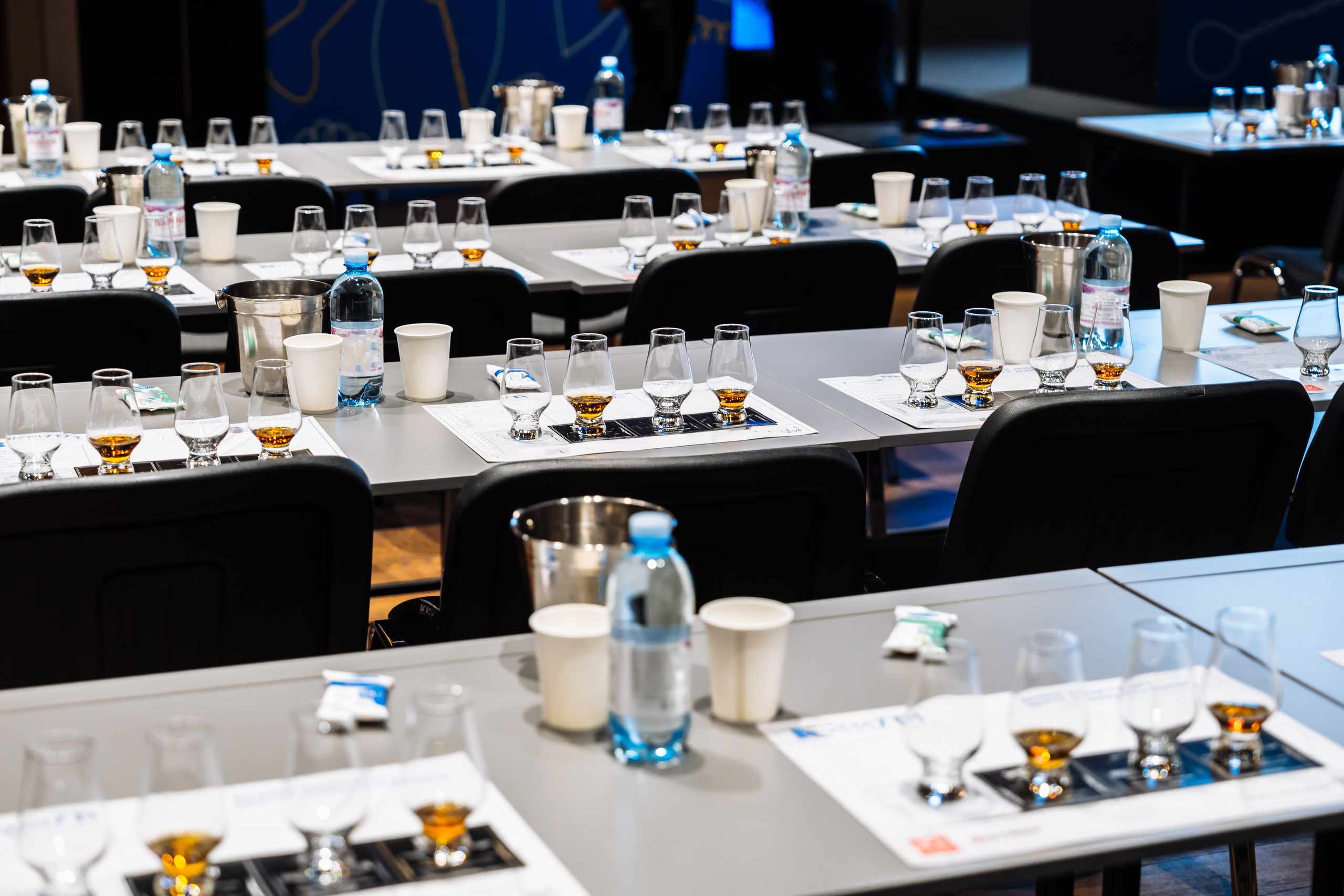
Restaurant basics taught through daily operating details
The course starts with practical situations instead of abstract business talk. Learners trace how a walk-in guest becomes an order ticket, how that ticket reaches the kitchen, why timing affects the table, and how small choices in service or menu planning can change the whole shift.
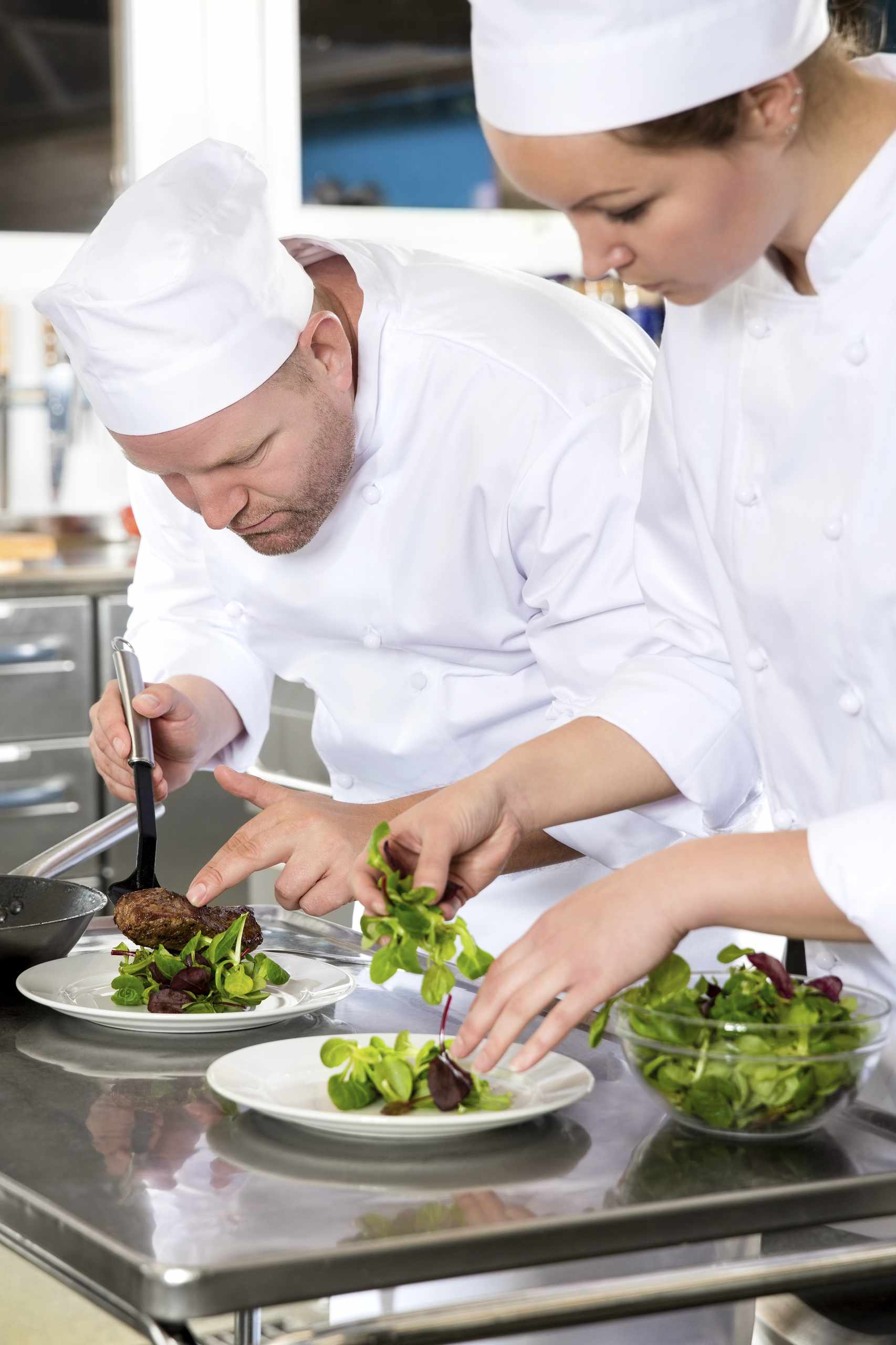
Our Learning Approach
Restaurant work is treated as a connected system of people, food, timing, and communication. A beginner does not need to guess what matters first; the course breaks down visible routines such as greeting, order-taking, table reset, prep lists, and shift handover.
What Progress Means Here
Progress is not presented as guaranteed profit or instant management skill. It means understanding how front of house and back of house connect, using restaurant vocabulary more clearly, asking better questions about menu and service decisions, and reading daily problems with less confusion.
How Practice Is Organized

Map the Service Flow
Learners follow a guest visit from reservation or walk-in to greeting, order ticket, timing, payment flow, and table reset.
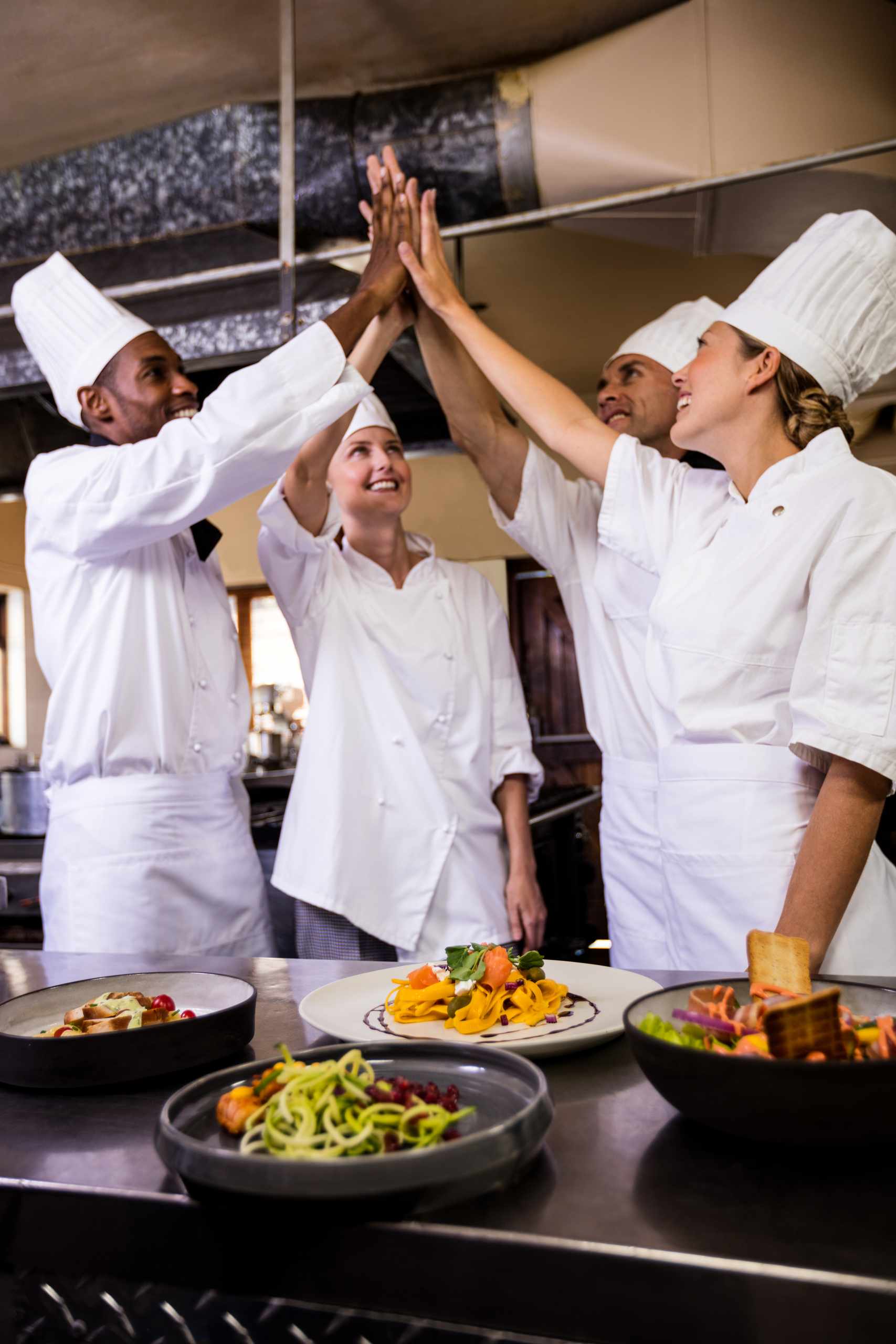
Read the Menu Operationally
Sample menus are used to connect dish descriptions with prep needs, portion control, stock levels, and service speeD.
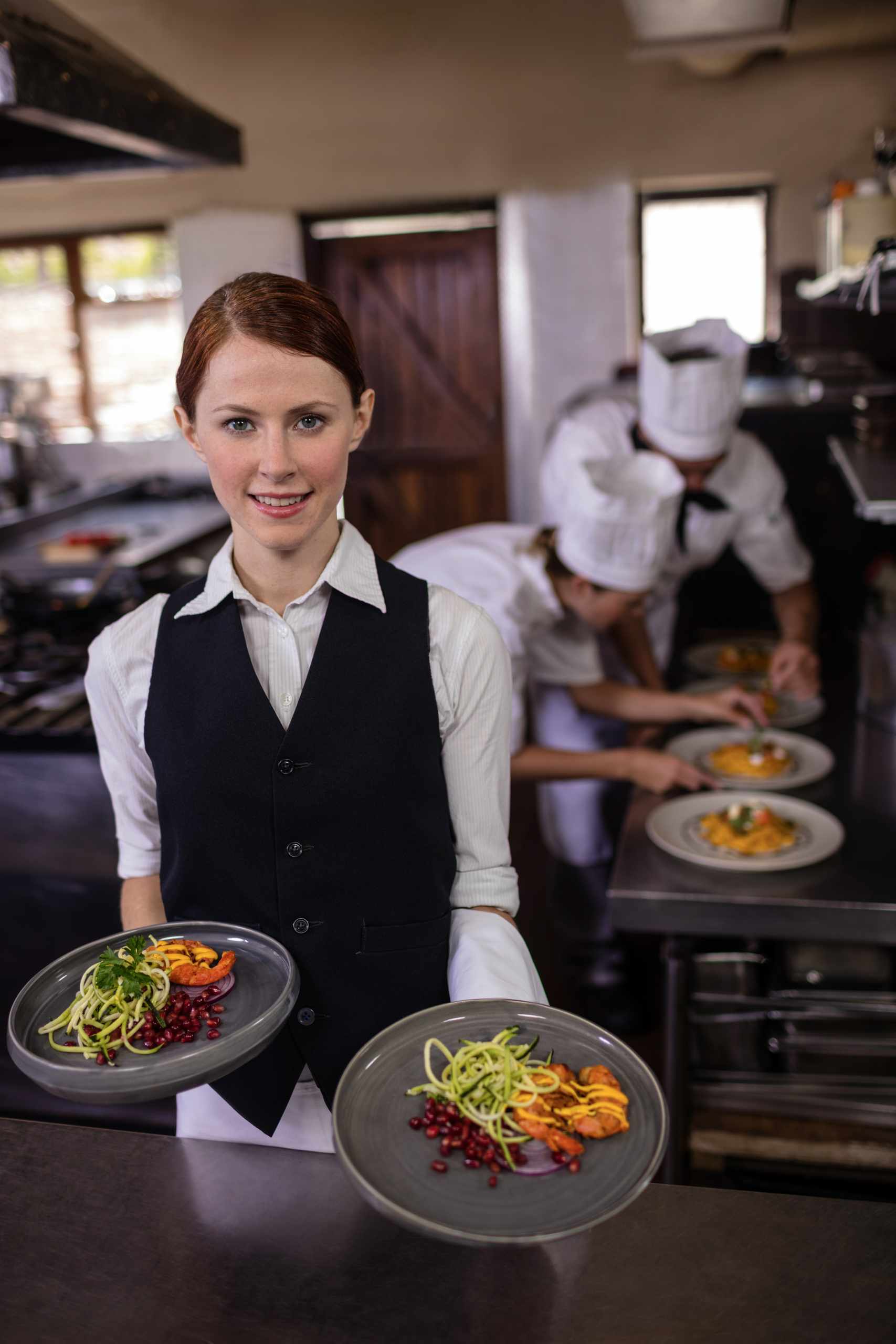
Use Simple Shift Routines
Opening checklists, closing checklists, prep lists, and shift notes help make daily restaurant work easier to observe and discuss.
SERVICE FLOW PRACTICE
A delayed order is not treated as one isolated mistake. Learners look at the full path from table request to kitchen ticket, expeditor timing, and table attention.
MENU AND COST AWARENESS
Menu practice connects visible choices with practical limits: prep time, storage, portion drift, waste, supplier thinking, and the pressure of a rush period.
Where Basics Should Begin
Restaurant business can feel broad at first. Ask about the course focus, practice format, menu exercises, service scenarios, or how the pace fits someone with no restaurant background.